
Ever looked at your partner’s Amazon cart and thought, “Wait—did we really just spend $347 on matching rain jackets, a smart toilet seat, and 12 lbs of artisanal gummy bears?” Yeah. That was us. And it happened right before our first joint credit card statement arrived like a financial ghost from the future saying, “You did what together?”
If you’re asking “shared benefit should I get a” a joint credit card, you’re not just weighing convenience—you’re tangled in credit scores, legal liability, and whether “we” can survive late fees without turning into Netflix villains. This post cuts through the noise with hard-won insights from managing (and mismanaging) shared plastic.
You’ll learn: how joint cards actually work vs. authorized users, when they save money (and when they torch relationships), real-life case studies (including my own dumpster fire), and a brutally honest checklist to decide if “together forever” extends to your Visa bill.
Table of Contents
- Key Takeaways
- So… What Even Is a Joint Credit Card?
- How to Decide If a Joint Card Is Right for You: A Step-by-Step Framework
- 5 Non-Negotiable Best Practices (And 1 Terrible “Tip” to Avoid)
- Real Couples, Real Consequences: Case Studies
- FAQs: Your Burning Questions, Answered
- Final Verdict: Should You Pull the Trigger?
Key Takeaways
- Joint credit cards make both parties equally liable for debt—unlike authorized user setups.
- Only 3% of U.S. credit cards are true joint accounts; most couples mistakenly think adding an authorized user = joint ownership (it’s not).
- Best for: married couples with aligned spending habits, high combined income, and strong communication.
- Worst for: new relationships, uneven incomes, or anyone who’s ever hidden a Zappos receipt “just in case.”
- Alternatives like co-branded travel cards or separate cards with shared rewards portals often deliver similar perks with less risk.
So… What Even Is a Joint Credit Card?
Let’s kill the myth upfront: Most “shared” cards aren’t actually joint. When you add your partner as an authorized user, you’re still the sole account owner—you carry 100% legal liability. But a true joint credit card? Both names are on the application, both credit scores get pulled, and both of you are on the hook for every dollar spent—forever, amen.
Here’s why this matters: According to Experian’s 2023 State of Credit report, couples who open joint accounts see their average FICO score diverge by 42 points within 18 months if spending isn’t aligned. Yikes.
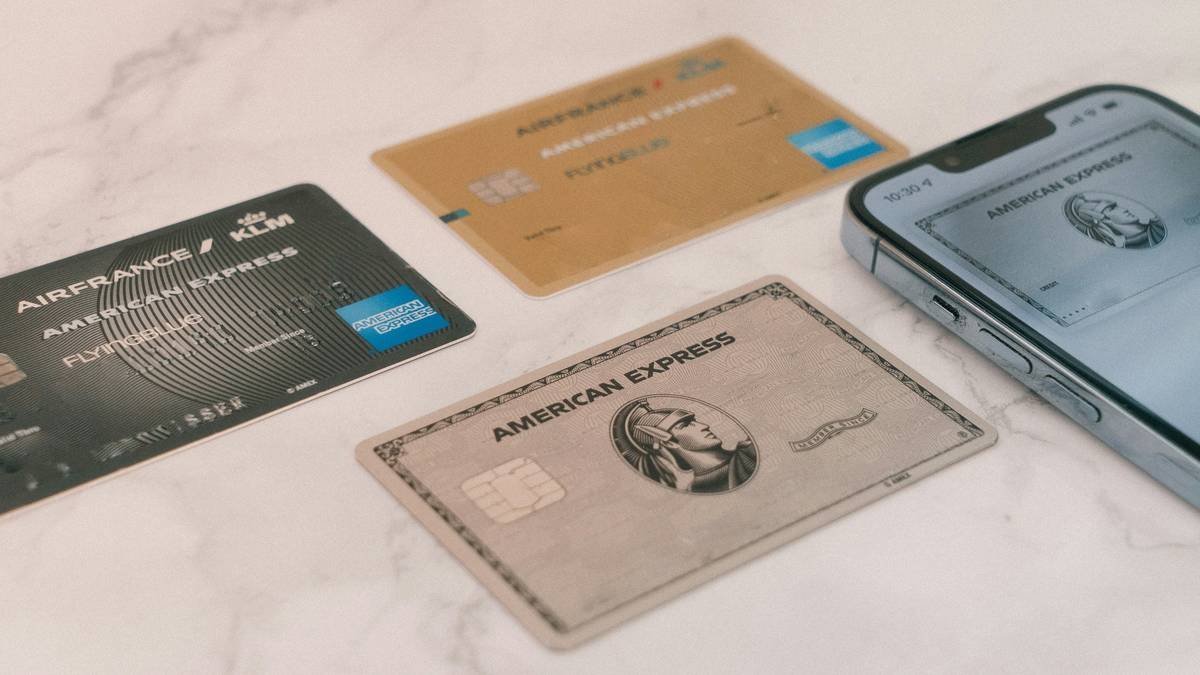
I learned this the hard way. My wife and I opened a joint Chase Sapphire Preferred® in 2020 thinking, “More points! Shared Uber rides!” Then she booked a surprise weekend in Sedona “for our anniversary” (bless her) using the card while I was knee-deep in student loan payments. Our minimum payment jumped to $800/month. Cue sleepless nights and passive-aggressive spreadsheet tabs titled “Vacation???”
Optimist You:
“Joint cards build credit together and simplify shared expenses!”
Grumpy You:
“Or they become financial albatrosses that haunt your divorce settlement. Pass the coffee—and the prenup.”
How to Decide If a Joint Card Is Right for You: A Step-by-Step Framework
Step 1: Audit Your Financial Compatibility
Before even glancing at card offers, ask:
- Do we budget together monthly?
- Are our credit scores within 50 points of each other? (Check via AnnualCreditReport.com)
- Have we successfully managed a shared expense (rent, utilities, pet insurance) without resentment?
If you answered “no” to more than one—stop. A joint card will amplify existing cracks.
Step 2: Understand True Joint vs. Authorized User Cards
Most issuers (Amex, Citi, Capital One) don’t offer true joint personal cards. Bank of America, U.S. Bank, and some credit unions do. Call and ask: “If my partner and I apply together, will both our SSNs be on the contract?” If not, it’s not joint.
Step 3: Calculate the Real “Shared Benefit”
Don’t fall for shiny sign-up bonuses. Ask: “Will the annual fee ($95–$550) be offset by:
- Shared travel redemptions?
- Household spending categories (groceries, gas)?
- Credit-building for the lower-score partner?
If the math doesn’t pencil out over 24 months, walk away.
5 Non-Negotiable Best Practices (And 1 Terrible “Tip” to Avoid)
- Set a shared spending cap: Agree on a monthly limit (e.g., $1,200) and freeze the card via app if exceeded.
- Review statements together weekly: Not monthly. Weekly. Use apps like Tiller or Copilot.
- Never mix joint debt with individual goals: Buying a ring? Pay cash or use your solo card.
- Choose cards with free employee spouse benefits: Some Amex/Citi business cards let spouses earn points on personal spend—without joint liability.
- Get pre-approved together: Use Capital One’s pre-qualification tool (soft pull) to test eligibility risk-free.
The Terrible “Tip” Everyone Gives (But You Should Ignore)
“Just add them as an authorized user—it’s the same thing!” Nope. As an authorized user, they build credit, but you alone face collections if they max it out. I’ve seen couples split over this “shortcut.” Don’t be those people.
Rant Time
Why do finance “gurus” push joint cards like they’re marital glue? Newsflash: Issuers profit from dual-income applications = higher credit lines = more debt! Protect your peace. Your relationship isn’t a product demo.
Real Couples, Real Consequences: Case Studies
Case Study 1: The Win
Mark & Lena (married 3 years, FICO 740/760) opened a U.S. Bank Altitude® Go Visa Signature® Card (true joint). They use it only for groceries and gas—categories earning 4x points. They pay it off weekly via autopay. Result: Earned 78,000 points in 14 months (worth $780 in travel), and Lena’s score rose 31 points.
Case Study 2: The Cautionary Tale
Jamal & Priya (engaged, dating 18 months) added each other as authorized users on separate Amex Gold cards “to share dining credits.” Priya used Jamal’s card for a $2,200 bachelorette trip he didn’t approve. He refused payment. Collections hit his report. Their wedding got postponed. Moral: “Shared benefit” requires explicit consent—not assumptions.
FAQs: Your Burning Questions, Answered
Can I remove my partner from a joint credit card?
No. Unlike authorized users, you can’t unilaterally remove a joint account holder. The only exit is closing the account—which kills your available credit and may ding both scores.
Does a joint card help my partner’s credit if they have no history?
Yes—but only if you pay on time. Late payments hurt both reports equally. Consider a secured joint card (e.g., OpenSky®) for safer credit-building.
What happens to a joint card in a breakup?
You’re still liable until the balance hits $0—even if a judge says “she pays half.” Always close joint accounts during separation.
Are business joint cards different?
Yes! Business cards (even with EINs) often require personal guarantees, making owners jointly liable. But spouses can sometimes piggyback on rewards without being co-applicants.
Final Verdict: Should You Pull the Trigger?
“Shared benefit should I get a” joint credit card? Only if:
- You’re legally married (or in a committed, long-term partnership with ironclad trust),
- Your spending philosophies align (not perfectly—but directionally),
- You’ve stress-tested scenarios (“What if one loses their job?”),
- And you prioritize transparency over convenience.
If not? Opt for separate cards with shared reward pooling (Chase Ultimate Rewards®, Amex Membership Rewards®) or use a joint checking account for shared expenses instead. Remember: The best financial tool isn’t the shiniest—it’s the one that keeps your relationship intact.
Like a 2000s Motorola Razr—sometimes folding things together just breaks the hinge.